
"cuba coffee"
3000 article(s) found
Introduction to the characteristics of Cuban Crystal Mountain Coffee with Sweet Melon and Fruit aroma
In addition to Cuba, it also includes more than 1600 surrounding islands of different sizes. The islands are made up of five islands: Savannah, Camag ü ey, Colorados, Queen's Garden and Canareos. Youth Island (also known as Pine Island), located in Batahuano Bay, is the only larger island along the coast. The total length of the coastline is 6073 kilometers. Most of the island of Cuba is flat

Cuban Coffee Brand-Cuban Crystal Mountain Coffee "elegant Princess" in the World's Top Coffee
Professional Coffee knowledge Exchange more coffee bean information please follow the Coffee Workshop (official account Wechat cafe_style) front street-Cuban Crystal Mountain Coffee introduction Cuba Crystal Mountain Coffee introduction the Republic of Cuba is located in the West Indies, with a detached, primitive natural environment, the scenic Caribbean and the world-famous Crystal Mountain Coffee. In 1748, coffee was passed on by Domiga.

A brief introduction to the origin, development, history and culture of Cuban crystal mountain boutique coffee beans
At present, Crystal Mountain Coffee is very precious. This is mainly for two reasons. The first reason is the economic sanctions imposed by the United States against Cuba and the non-opening up of Cuban imports. The second reason is that at present, Cuban coffee beans are mostly acquired by the French and Japanese markets, especially Japan, so it is difficult to buy coffee beans directly from Cuba. Nevertheless, Cuban coffee is a global coffee.
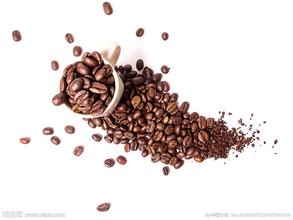
Description of Cuban Crystal Mountain Coffee Flavor introduces the characteristics of Cuba's Top Coffee Manor
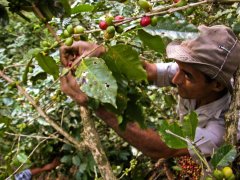
In Cuba, most of the coffee beans are picked by hand. Coffee beans are picked about every half a month during the ripening period. During or after picking, coffee beans are classified and those immature and bad beans are removed to ensure the quality of the coffee. Cubans usually deal with coffee beans in two ways: sun exposure and water washing. Sunbathing is the easiest,

Cuban Crystal Mountain Coffee Flavor and taste introduction to the characteristics of Fine Coffee beans in the Manor area
The country is divided into 15 provinces, one special zone, and 168 cities under the province. [3] the names of the provinces are as follows: Pinar del Ro, Artemisa, Mayabeque, Provincia de la Habana, Matanzas, Cienfuegos, Cienfuegos,

Introduction to the origin of global coffee-Cuban boutique coffee beans Cuban coffee flavor Cuba
According to records, there were 2067 coffee plantations in Cuba in 1833. Among them, the earliest seven coffee plantation sites, such as Raglan Piedra, Elkovre, El Salvador and Nisto Perez, are listed as World Cultural Heritage. These seven coffee plantations are located in the foothills of Maestra in the provinces of Santiago and Guantanamo in southeastern Cuba in the 19th century (figure 17 is a postcard).

Taichung Mu Elemental Coffee Dining car Liuchuan Little Cuba's special hand-shaking coffee Liuchuan cuisine
For professional baristas, please follow the coffee workshop (Wechat official account cafe_style) to bathe elemental coffee. On the banks of the Liuchuan River in the western district of Taichung, there happen to be three characteristic shops: Yoko Liuchuan, Little Cuba of Liuchuan, and Liuchuan Kui. This time, there is also a manual Italian coffee stall in Liuchuan Cuba, which forms a small alternative business circle in Liuchuan, Taichung. Many tourists come here for a walk.

A brief introduction to the treatment method of Grinding degree and Baking degree of Cuban Crystal Mountain Fine Coffee beans
In Cuba, coffee cultivation is regulated by the state, and the best coffee growing area in Cuba is located in the Central Mountains. Because this area not only grows coffee, but also produces quartz, crystal and other precious minerals, it is also known as Crystal Mountain. At present, Crystal Mountain Coffee is synonymous with top Cuban coffee. Crystal Mountain is adjacent to the Blue Mountains of Jamaica, with climatic conditions.

Introduction to the characteristics of the Fine Coffee Flavor Manor of Crystal Mountain Coffee in Cuba
And the most authentic Crystal Mountain Coffee is Cuba's famous Cubita. It slightly contains wine-like bitterness and a touch of sweetness, and even a hint of tobacco, meticulous and smooth, fresh and elegant, almost perfect. Known as the noble and elegant princess in coffee. The general taste of coffee is as strong as heavy metal music, but the taste of Cubita is as delicate and balanced as that of the country.

A brief introduction to the Origin, Development, History and Culture of Cuban Crystal Mountain Fine Coffee beans with slightly sour taste
In Cuba, coffee cultivation is regulated by the state, and the best coffee growing area in Cuba is located in the Central Mountains. Because this area not only grows coffee, but also produces quartz, crystal and other precious minerals, it is also known as Crystal Mountain. At present, Crystal Mountain Coffee is synonymous with top Cuban coffee. Crystal Mountain is adjacent to the Blue Mountains of Jamaica, with climatic conditions.

Introduction to Cuban boutique coffee-- the taste of Cuban Crystal Mountain Coffee Crystal Coffee
Located in the West Indies, the Republic of Cuba has a detached and pristine natural environment, the beautiful Caribbean Sea and the world-famous Crystal Mountain Coffee. In 1748, coffee was introduced into Cuba from Domiga, and Cuba began to grow coffee ever since. With fertile land, humid climate and abundant Rain Water, Cuba can be called a natural treasure land for coffee cultivation. The suitable natural condition is the growth of coffee trees.

Tell me about the boutique amber coffee.
Cubita is Amber Coffee. Amber coffee is a Chinese trademark of CubitaCoffee, Cuba. It is synonymous with high-quality coffee in China. Amber coffee is synonymous with high-quality coffee in China. Cuba Cubita in 1748, coffee was introduced to Cuba from Dominica, and Cuba began to grow coffee ever since. The coffee beans selected by the Cuban Cubita are grown in the Crystal Mountains of Cuba.

A brief introduction to the Origin, Development, History and Culture of Cuban Crystal Mountain Fine Coffee beans with coarse Mineral Fruit aroma
At present, Crystal Mountain Coffee is very precious. This is mainly for two reasons. The first reason is the economic sanctions imposed by the United States against Cuba and the non-opening up of Cuban imports. The second reason is that at present, Cuban coffee beans are mostly acquired by the French and Japanese markets, especially Japan, so it is difficult to buy coffee beans directly from Cuba. Nevertheless, Cuban coffee is a global coffee.

Introduction to the Flavor and Taste of Fine Coffee beans in the Coffee Variety producing area of Crystal Mountain, Cuba
Cubita is Cuban coffee, which is mainly exported to Japan, France, Germany, Ireland, Canada and other countries. The cubita coffee entering the Chinese market is all selected from the pollution-free Crystal Mountain coffee beans in the high altitude areas of Cuba, which is a typical Caribbean coffee bean. All the granules of coffee beans are strictly selected according to the standard of sieve 17-19, and the selected coffee beans have large particles and high maturity.

Amber Coffee, synonymous with Chinese High quality Coffee
Cuba Cubita in 1748, coffee was introduced to Cuba from Dominica, and Cuba began to grow coffee ever since. The coffee beans selected by the Cuban Cubita are Arabica varieties grown in the Crystal Mountains of Cuba, which are produced and used by the farmers themselves, so it is considered to be a higher and better quality coffee. It uses 100% Cuban Arabica water to wash green coffee beans, its aroma
How to make Cuban coffee? Geographical features of Cuba and culture of coffee cultivation, production and consumption
Cuba Geography and Coffee Cultivation: An important coffee-growing region of Cuba is located in the Sierra Maestra Mountains in eastern Cuba. The pleasant climate and fertile reddish-brown soil are rich in humus, so coffee can be grown without fertilizer, giving Cuba a good reputation for growing some of the best coffee. The towns of the Maestra Mountains have a history of growing coffee, people

Celebration of the 50th Anniversary of Sino-Cuban Friendship in Fine Coffee beans, Cuban Coffee, Crystal Mountain Coffee, Cuba
Cubita is Cuban coffee, which is mainly exported to Japan, France, Germany, Ireland, Canada and other countries. The cubita coffee entering the Chinese market is all selected from the pollution-free Crystal Mountain coffee beans in the high altitude areas of Cuba, which is a typical Caribbean coffee bean. All the granules of coffee beans are strictly selected according to the standard of sieve 17-19, and the selected coffee beans have large particles and high maturity.
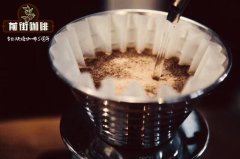
What kind of coffee is Cuba cubita? how does Amber Coffee rank? it's leveraged.
Professional coffee knowledge exchange more coffee bean information please pay attention to the coffee workshop (Wechat official account cafe_style) front street-Cuban Crystal Mountain Coffee introduction in 1748, coffee was introduced into Cuba from Domiga, since then Cuba began to grow coffee. With fertile land, humid climate and abundant Rain Water, Cuba can be called a natural treasure land for coffee cultivation. The suitable natural condition is the growth of coffee trees.

Uniform taste introduction to the characteristics of Cuba Crystal Mountain Coffee Flavor Manor
In Cuba, most of the coffee beans are picked by hand. Coffee beans are picked about every half a month during the ripening period. During or after picking, coffee beans are classified and those immature and bad beans are removed to ensure the quality of the coffee. Cubans usually deal with coffee beans in two ways: sun exposure and water washing. Sunbathing is the easiest,

Introduction to the characteristics of the refreshing and elegant Cuban Crystal Coffee Flavor Manor
The country is divided into 15 provinces, one special zone, and 168 cities under the province. [3] the names of the provinces are as follows: Pinar del Ro, Artemisa, Mayabeque, Provincia de la Habana, Matanzas, Cienfuegos, Cienfuegos,